



 Don’t fall for fakes. Follow the facts.
Before you buy, verify!
Quality You Can Trust vs. Gambles You Can't!
Your Health Deserves the Real Thing!
Don’t fall for fakes. Follow the facts.
Before you buy, verify!
Quality You Can Trust vs. Gambles You Can't!
Your Health Deserves the Real Thing!
Don’t fall for fakes. Follow the facts.
Before you buy, verify!
Quality You Can Trust vs. Gambles You Can't!
Your Health Deserves the Real Thing!
Don’t fall for fakes. Follow the facts.
Before you buy, verify!
Quality You Can Trust vs. Gambles You Can't!
Your Health Deserves the Real Thing!


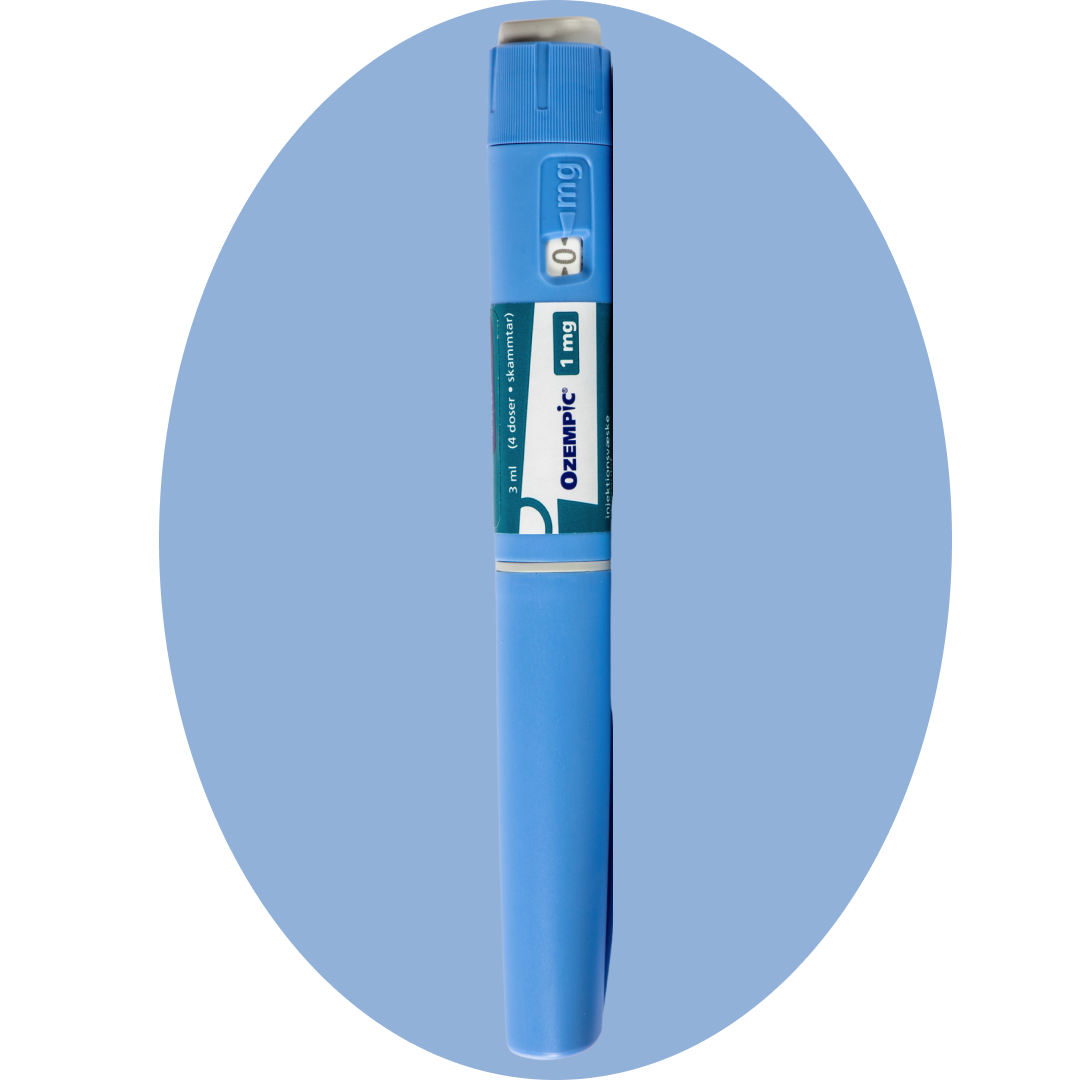
Glucagon‑like peptide‑1 (GLP‑1) medications help regulate blood sugar, appetite, and digestion. They’re prescription‑only therapies that, when clinically appropriate and combined with lifestyle supports, can lead to meaningful and sustained weight loss and reduce cardiometabolic risk. GLP-1 medicines come in different forms. Several FDA-approved GLP-1 medicines are injections, while FDA-approved oral options are also available for certain indications.
At a glance:

Many users lose 5–15% of their body weight over a few months (some dual-target agents report even more).
Evidence, such as the SELECT trial, shows semaglutide can significantly reduce cardiovascular events in people with overweight/obesity and heart disease.
FDA-approved GLP-1 medicines should be used when appropriate and available. Compounded GLP-1 medicines are not FDA-approved and may carry additional risks, but they can serve a medical need in certain circumstances. Counterfeit or illegally marketed products should be avoided.
GLP-1 medications represent one of the most significant advancements in the treatment of type 2 diabetes and obesity in decades, but their rapid rise in popularity has created a complex landscape for patients, providers, and policymakers. For individuals seeking reliable care, misinformation, counterfeit or illegally marketed products, and improperly compounded GLP-1 medicines can pose serious safety risks. Legally compounded medicines are not FDA-approved and may carry additional risks, but they are distinct from counterfeit or illegal products. At the same time, high costs, limited insurance coverage, and systemic inequities mean that many people who could benefit from these therapies still lack access.


As of May 31, 2026, FDA had received 990 adverse-event reports associated with compounded semaglutide and more than 730 associated with compounded tirzepatide. Reporting requirements vary, so the actual number may be higher.

In adults with cardiovascular disease who are overweight or obese, semaglutide lowered rates of heart attacks and strokes (SELECT trial).

Surveillance data shows obesity prevalence remains highest in underserved communities—making safe access essential for equitable care.
From social media ads to unverified online sellers, consumers may encounter counterfeit, illegally marketed, or unapproved GLP-1 products advertised for weight loss. These products may contain the wrong ingredients, harmful ingredients, or too much, too little, or none of the stated active ingredient.
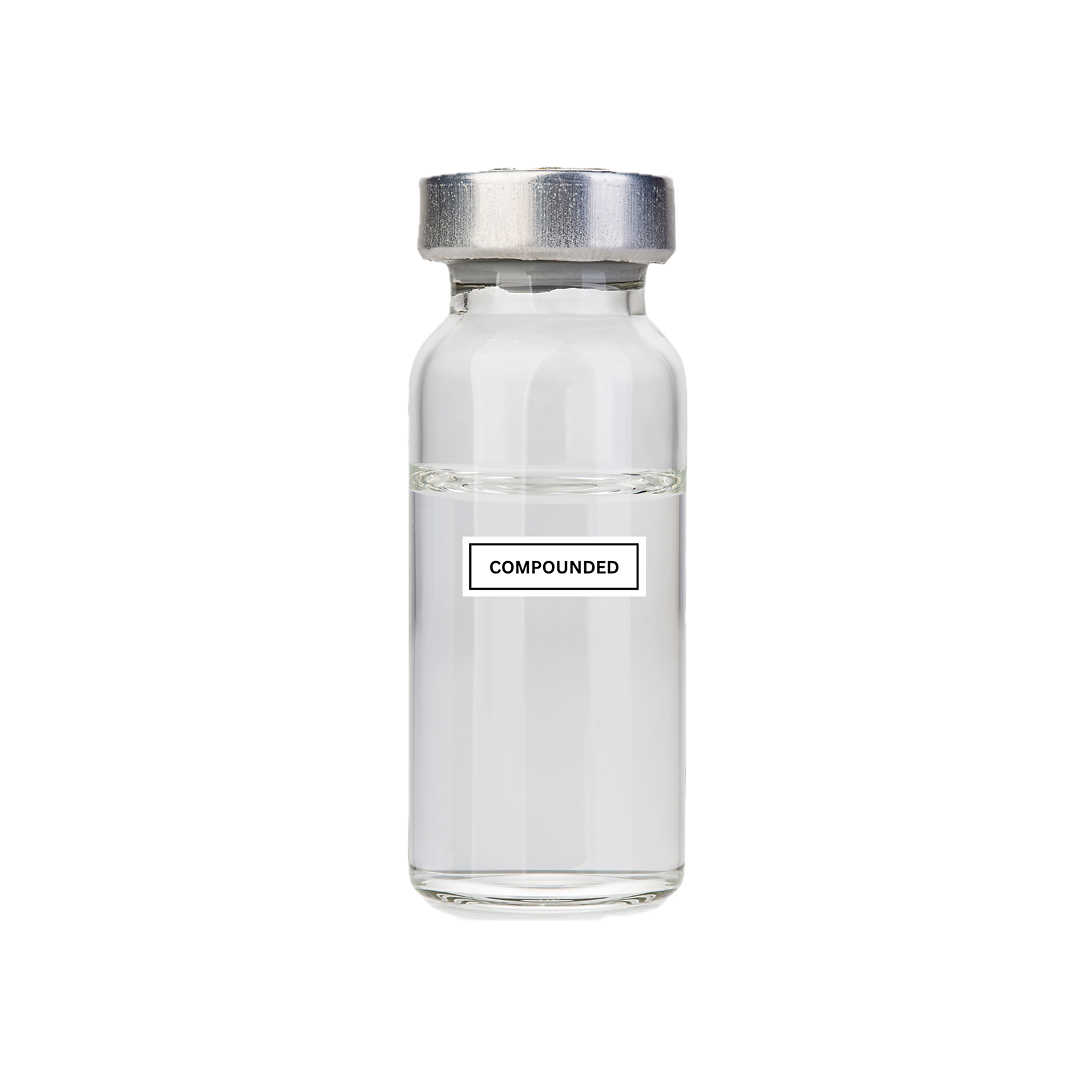
Compounded GLP-1 medicines are different from counterfeit drugs. Compounded medicines are not FDA-approved, but they may be legally prepared under specific circumstances for patients whose medical needs cannot be met by an available FDA-approved drug.
Protect yourself by getting prescription GLP-1 medicines through a licensed health care professional and a state-licensed pharmacy. Be cautious of sellers that do not require a prescription, do not identify the dispensing pharmacy, or make claims that seem too good to be true. Source: FDA
Counterfeit or illegally marketed weight-loss drugs may contain the wrong ingredient, an incorrect amount of medicine, or harmful contaminants. Products from unverified sources may also have misleading labels, unsafe storage conditions, or unclear dosing instructions. These problems can lead to serious side effects, medication errors, or ineffective treatment. Use prescription GLP-1 medicines only under the care of a licensed health care professional and obtain them from a licensed pharmacy.
FDA-approved GLP-1 medicines have been reviewed by the FDA for safety, effectiveness, quality, and manufacturing standards. Compounded GLP-1 medicines are not FDA-approved and are not reviewed by the FDA before they are marketed for safety, effectiveness, or quality. Compounded medicines may be appropriate for certain patients with a specific medical need that cannot be met by an available FDA-approved drug, but they can carry additional risks.
Ask why a compounded medicine is being recommended and whether an FDA-approved option can meet your medical needs. Compounded drugs can serve an important medical need for some patients, but they are not FDA-approved and do not undergo FDA review for safety, effectiveness, or quality before they are marketed. If a compounded GLP-1 is prescribed, make sure the prescription is filled by a properly licensed pharmacy and ask your clinician or pharmacist about the ingredients, dose, storage, and how to use it safely.
Avoid buying prescription GLP-1 medicines from social media sellers or websites that cannot be verified as legitimate pharmacies. Products from unlicensed or unverified sellers may be counterfeit, contaminated, improperly stored, or contain the wrong ingredients or dose. Get a prescription from a licensed health care professional and fill it through a state-licensed pharmacy. Be cautious of websites offering prescription GLP-1s without a prescription or without identifying the pharmacy that will dispense the medication.
Dec 2024:
FDA re-evaluated its earlier decision and determined that the tirzepatide injection shortage was resolved. Temporary enforcement-discretion periods were provided for certain compounders to reduce treatment disruption.
Feb 2025:
FDA determined that the semaglutide injection shortage was resolved and provided temporary enforcement-discretion periods for certain compounders.
Feb–May 2025:
FDA’s temporary enforcement-discretion periods ended in stages. For tirzepatide, all temporary enforcement-discretion periods had ended by March 19, 2025. For semaglutide, they had ended by May 22, 2025.
Sept 2025:
FDA launched a “Green List” import alert to help prevent GLP-1 active pharmaceutical ingredients with potential quality concerns from unverified foreign sources from entering the U.S. supply chain, while allowing imports from compliant manufacturers.
March 2026:
FDA issued warning letters to 30 telehealth companies over false or misleading marketing of compounded GLP-1 products.
April 2026:
FDA proposed excluding semaglutide, tirzepatide, and liraglutide from the 503B Bulks List after finding no clinical need for outsourcing facilities to compound these drugs from bulk substances.
May 31, 2026:
FDA reported receiving 990 adverse-event reports associated with compounded semaglutide and more than 730 associated with compounded tirzepatide.
July 2026:
CMS launched the Medicare GLP-1 Bridge, providing eligible Medicare Part D beneficiaries access to certain GLP-1 medications for weight management with a $50 monthly copay. The program runs through December 31, 2027.
July 2026:
The Senate HELP Committee advanced the bipartisan SAFE Drugs Act of 2026 (S. 3794) by a 17–5 vote. The bill would strengthen transparency and reporting requirements for compounded medications, including serious adverse-event reporting and clearer labeling. On July 27, 2026, the bill was reported to the Senate and placed on the Senate Legislative Calendar under General Orders, Calendar No. 524. It has not yet passed the full Senate.

Compounded GLP-1 medicines are not FDA-approved and may only be prepared under specific legal conditions. In April 2026, FDA proposed excluding semaglutide, tirzepatide, and liraglutide from the 503B Bulks List after finding no clinical need for outsourcing facilities to compound these drugs from bulk substances.

Bulk API from unverified foreign suppliers can be detained at the border; products labeled “research use only/not for human use” are not appropriate for patients.

Salt forms such as semaglutide sodium or semaglutide acetate are different active ingredients from the semaglutide used in FDA-approved medicines. FDA has said it is not aware of a lawful basis for using these salt forms in compounded drugs and has raised concerns about their safety and effectiveness.


